- en
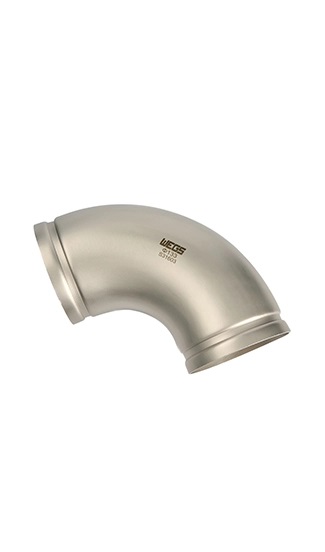
In the modern construction and industrial sectors, piping systems play an essential role in ensuring safe and efficient water and gas delivery. Among the many types of pipes available, the stainless steel grooved pipe has become a preferred choice due to its unique design and durability. The grooved connection method offers superior strength and quick installation compared to traditional welding, making it an innovative solution for contractors and engineers. For projects ranging from residential water systems to large-scale industrial pipelines, stainless grooved piping ensures longevity, safety, and minimal maintenance, which are key priorities in today's demanding infrastructure needs.
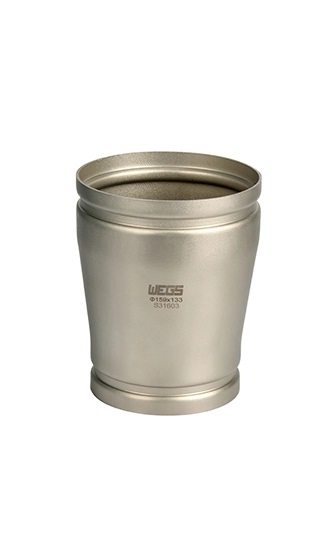
The benefits of using stainless steel grooved pipe extend beyond durability. Its resistance to corrosion makes it suitable for applications involving water, gas, and other critical fluids. Unlike standard welded pipes, grooved systems allow faster assembly, reducing installation costs and saving project time. Additionally, the grooved design supports flexibility, meaning pipelines can withstand vibrations and thermal expansion without risking leaks. For sectors such as commercial construction, industrial plants, and municipal supply systems, these advantages ensure not only safety but also long-term cost efficiency. As demand grows for sustainable and efficient piping solutions, stainless grooved pipes have proven to be both practical and future-oriented.
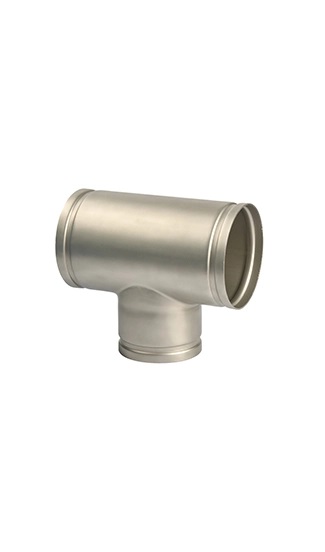
Feature | Stainless Steel Grooved Pipe | Traditional Welded Pipe |
Installation Speed | Quick assembly, less time required | Slower due to welding process |
Flexibility | Allows for movement, vibration, and expansion | Rigid, less adaptable to external stresses |
Maintenance | Easier to replace or adjust connections | More difficult and costly to modify |
Safety | Reduces fire risk by avoiding welding on-site | Welding increases safety risks during assembly |
Corrosion Resistance | Strong protection, especially for stainless steel | May require additional coatings or treatments |
This comparison highlights why the stainless steel grooved pipe has gained wide recognition in modern engineering. Its efficiency, safety, and resilience make it superior to traditional methods, especially for large-scale projects where time and safety are critical considerations.
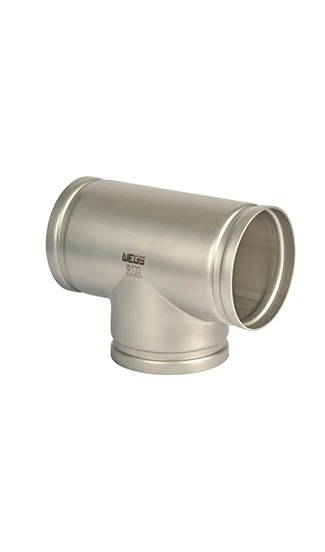
As a trusted stainless steel pipeline solutions provider, WEGS (Shanghai) Fluid Technology Co., Ltd. has been setting benchmarks in the industry since its establishment in 2012. Specializing in the research, development, and production of thin-walled stainless steel and carbon steel pipes, including grooved designs, WEGS has earned recognition for superior product quality and continuous innovation. With its headquarters in Shanghai covering 16,000 square meters and a 40,000-square-meter manufacturing base in Xianning, Hubei, WEGS combines strategic location with large-scale production capacity. This ensures efficient logistics and reliable supply, allowing clients worldwide to benefit from premium piping solutions.
WEGS also emphasizes quality assurance, having obtained international certifications such as ISO 9001, ISO 14001, ISO 45001, and ISO 10012. These certifications reflect the company's dedication to safety, environmental responsibility, and precision manufacturing, further solidifying its reputation as a global leader in stainless steel pipeline systems.
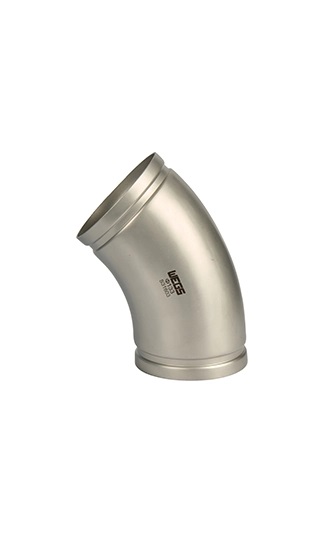
The application of stainless steel grooved pipe is expanding rapidly across multiple industries. In residential and commercial buildings, it ensures clean and safe water distribution. In industrial plants, it supports reliable delivery of gases and fluids under demanding conditions. Municipal systems also increasingly rely on grooved stainless steel pipes for infrastructure that requires both resilience and low maintenance. Looking ahead, with growing emphasis on sustainability, companies like WEGS are expected to lead innovation in the piping industry by offering environmentally friendly, efficient, and reliable products. The grooved pipe solution is not just a technological advancement but also a practical answer to the global need for modern infrastructure development.